Homemade deep-fried Mars Bars
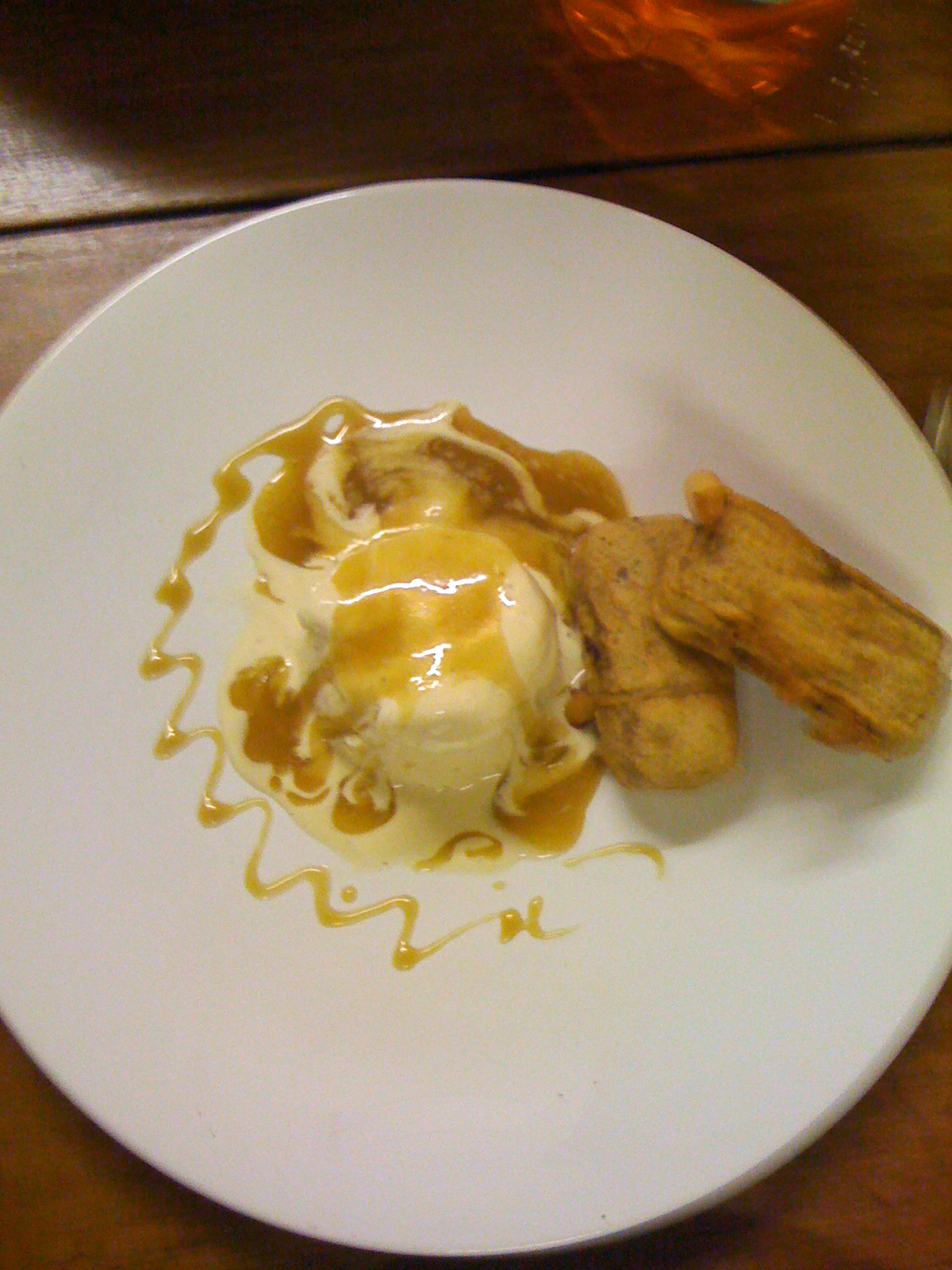 A deep-fried Mars bar is an ordinary Mars bar normally fried in a type of batter commonly used for deep-frying fish, sausages, and other battered products. The chocolate bar is typically chilled before battering to prevent it from melting into the frying fat, though a cold Mars can fracture when heated.
The dish originated at chip shops in Scotland as a novelty item, but was never mainstream. Since various mass media have reported on the practice since the mid 1990s, in part as an ironic commentary on urban Scotland's notoriously
licious Deep Fried Mars Bars,Deep Fried Twinkie's
A deep-fried Twinkie
 A deep-fried Twinkie involves freezing the cake, dipping it into batter, and deep-frying it to create a variation on the traditional snack cake. It was described by a The New York Times story in this way: "Something magical occurs when the pastry hits the hot oil. The creamy white vegetable shortening filling liquefies, impregnating the sponge cake with its luscious vanilla flavor... The cake itself softens and warms, nearly melting, contrasting with the crisp, deep-fried crust in a buttery and suave way. The pièce de résistance, however, is a ruby-hued berry sauce, adding a tart sophistication to all that airy sugary goodness".[6] The Texas State Fair had introduced the fried Twinkie to great popular acclaim, and the notion spread to other state fairs across the U.S., as well as some establishments that specialize in fried foods.[7] Fried Twinkies are sold throughout the U.S. in fairs as well as ball games.
Fried Ice Ceam
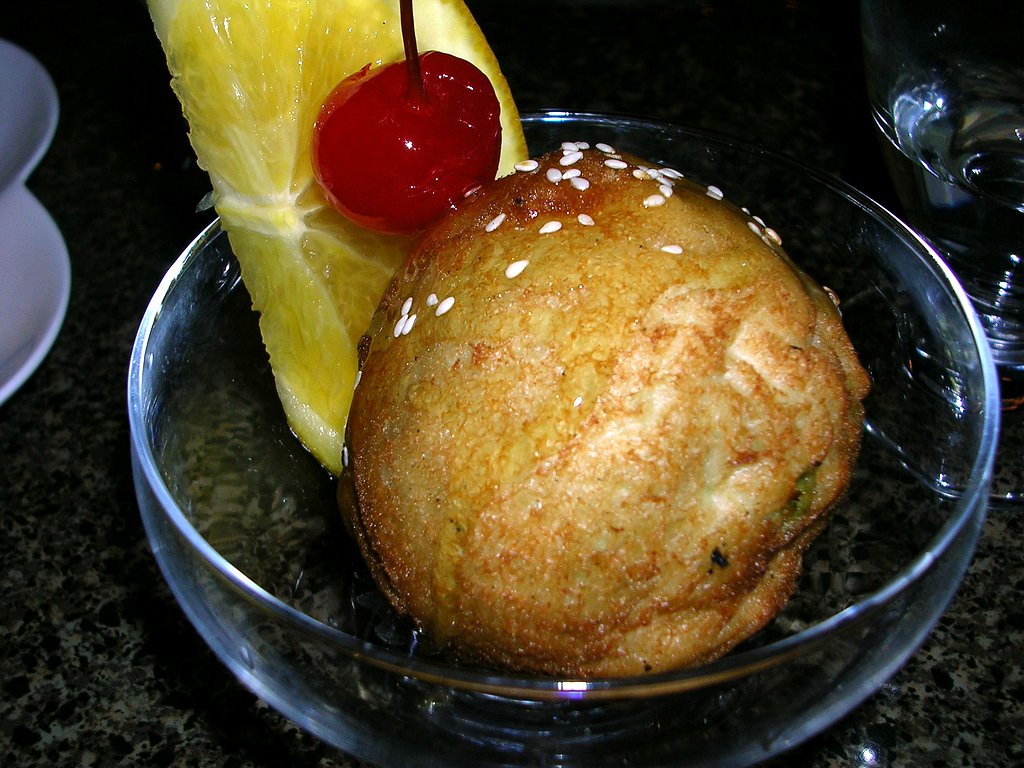
In the United States, fried ice cream has been associated with Asian cuisine, appearing in reviews of Chinese, Japanese, and Polynesian restaurants in the "Dining Out" section of the New York Times in the 1970s. It also came to be associated with Mexican cuisine, in large part due to national chain Chi-Chi's adopting a fried ice cream made with tortillas and cinnamon as its "signature dessert" when it opened in the early 1980s.[5]
The dessert is commonly made by taking a scoop of ice cream frozen well below the temperature at which ice cream is generally kept, possibly coating it in raw egg, rolling it in cornflakes or cookie crumbs, and briefly deep frying it. The extremely low temperature of the ice cream prevents it from melting while being fried. It may be sprinkled with cinnamon and sugar and a touch of peppermint, though whipped cream or honey may be used as well.
If fried ice cream is coated in raw egg prior to deep frying, the egg may remain uncooked due to the low temperature of the ice cream.
The Asian recipe usually uses tempura batter. Mexican versions use corn flakes, nuts, cookie crumbs, or tortillas for coating. In addition the Mexican recipe starts with a large ice cream ball, resulting in a colder core than the Asian variants. Common flavors in Asian restaurants are green tea, vanilla, and red bean.


No comments:
Post a Comment